
Start result: find which cylinder is misfiring and whether it’s a code-clean fix
When you diagnose engine misfire with an OBD2 scanner the goal is simple: identify the misfiring cylinder(s), decide whether the cause is ignition, fuel, or mechanical, and then confirm with quick checks that guide repair or the decision to see a mechanic. Use the scanner to read codes, watch live misfire data, then verify with spark, injector and compression checks.
What to expect from your OBD2 scanner and what it won’t do
Not every scanner shows live misfire counters or cylinder-specific data. Basic readers will give you generic misfire codes (for example P0300) or cylinder-specific codes (P0301 = cylinder 1). More advanced handhelds and many Bluetooth units provide live data (RPM-synced misfire counters), freeze frame, and fuel-trim readings that are essential for narrowing causes.
Quick checklist before you start scanning
- Park on level ground, key off, engine warm if possible.
- Have basic tools: gloves, spark-plug socket, insulated pliers, an assistant for crank tests.
- Know your vehicle’s cylinder numbering—owner’s manual or a quick search helps.
Step-by-step: read codes and use live data to pinpoint the misfire
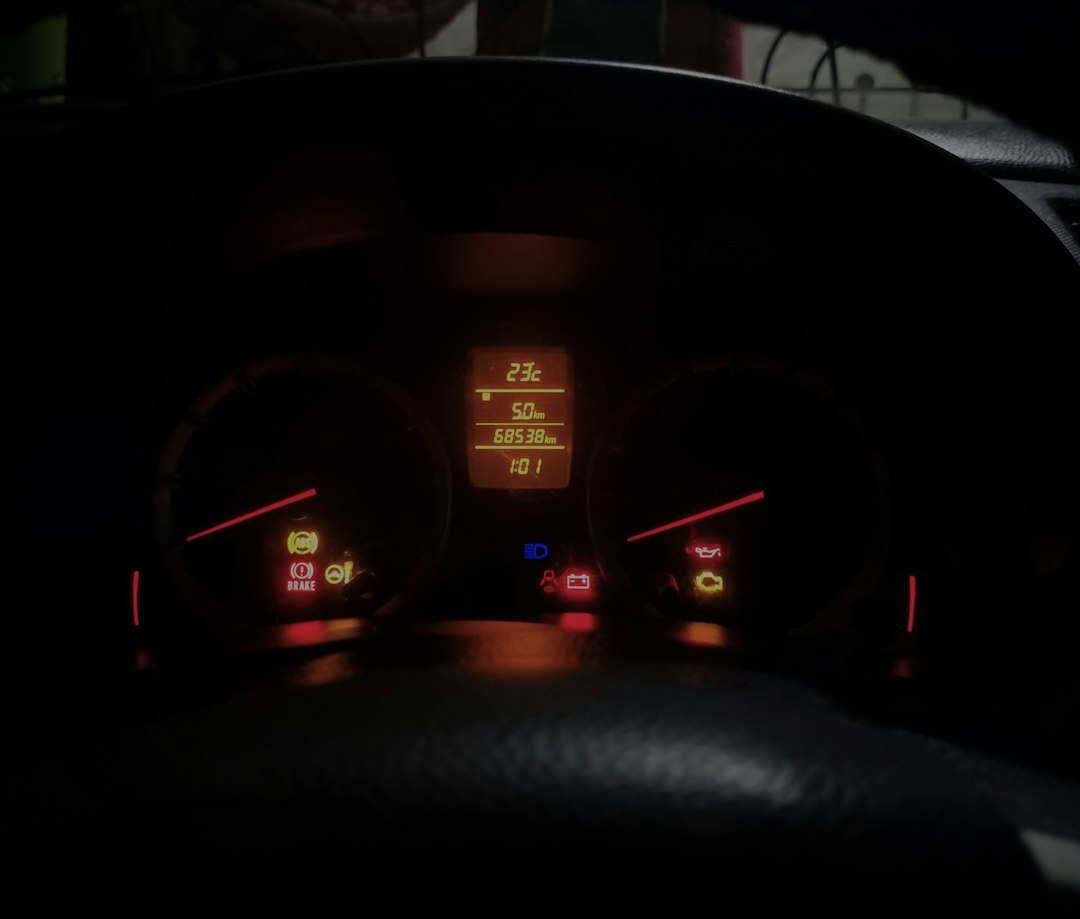
- Connect and read stored/active codes. Plug your OBD2 scanner into the port, turn ignition on, and read codes. Note any P030x codes: P0300 = random/multiple misfires; P0301–P0308 = specific cylinder misfire.
- Check pending vs active codes and freeze frame. Pending codes indicate intermittent issues; freeze-frame data shows engine conditions when the fault occurred (load, RPM, coolant temp).
- Watch live misfire counters or misfire detection data. If your scanner supports live PID data, open misfire counters or “cylinder misfire” PIDs and observe while revving or under light load. A single cylinder increasing its misfire count isolates the problem.
- Monitor related PIDs: fuel trims, O2 sensors, and RPM. High short-term fuel trim (STFT) on one bank or erratic O2 signal can point to lean/run issues or injector problems; large fuel trims across all cylinders suggest vacuum/fuel supply problems.
Interpret common scanner findings and their likely causes
- P0300 (random): often vacuum leaks, fuel pressure problems, or injector wiring—look for broader system issues first.
- P03xx (single cylinder): usually ignition (coil, spark plug, wire), fuel injector, or mechanical (low compression) specific to that cylinder.
- High short-term fuel trim at idle + misfire: likely a vacuum leak or leaking injector.
- Low fuel trims with misfire and black smoke: possible rich condition (stuck injector or sensor fault).
Verify the likely cause: practical checks you can do now
After the scanner narrows the suspect cylinder and subsystem, confirm before replacing parts.
Ignition check (spark plugs, coils, wires)
- Swap coil or ignition lead from the suspect cylinder to a known-good cylinder and rerun the scanner live-data test—if the misfire moves to the other cylinder, the coil/wire is at fault.
- Remove the spark plug and inspect for fouling, oil, or unusual wear. Replace if old or fouled; fresh plugs often fix ignition misfires quickly.
Fuel/Injector check
- Listen for injector operation with a mechanic’s stethoscope—an audible clicking indicates the injector is actuating.
- Swap injector connectors between cylinders if accessible and observe whether the misfire follows the injector, indicating a faulty injector or wiring.
Compression and mechanical check
- Perform a compression test on the affected cylinder(s). Consistently low compression points to valve, piston ring, or head gasket problems that require engine work.
- For quick check, do a wet-compression test (add a teaspoon of oil): if compression improves significantly, piston ring wear is likely.
When the scanner gives conflicting or intermittent results
If codes clear but return, or live data appears inconsistent, prioritize tests in this order: live misfire counters (reproduce misfire), ignition swap, injector swap, compression test. Intermittent misfires often trace to wiring, poor grounds, or heater/ignition module heat-related failures—note whether faults appear only after long drives or when hot.
Choosing a scanner and one recommended model
If you need an all-in-one tool for misfire diagnosis, pick a scanner that shows live misfire counters, fuel trims, and freeze-frame. For DIYers who want reliable cylinder-level data without overspending, the CGSULIT SC103 is a strong handheld match for misfire diagnosis because it reads codes and shows live engine parameters clearly.
Deciding whether to DIY or see a mechanic
Fix ignition and simple injector swaps yourself if you’re comfortable with basic tools and the problem follows swapped parts. Choose professional service when compression is low, head gasket failure is suspected, or when the fault involves complex wiring, timing systems, or intermittent high-voltage ignition modules.
- Read stored and pending P030x codes and note freeze-frame data.
- Monitor live misfire counters and related PIDs (RPM, STFT, O2).
- Swap ignition coils/leads to see if misfire moves.
- Swap injectors or check for injector click/noise.
- Perform compression and wet-compression tests if mechanical causes are suspected.
- Clear codes and re-test after any repair to confirm the fix.
An OBD2 scanner locates the misfiring cylinder and provides data that separates ignition, fuel, and mechanical causes. Use live data and simple swaps (coils/injectors) to confirm; run compression tests for mechanical suspicion and choose professional repair for engine-internal issues.
Can an OBD2 scanner tell me which cylinder is misfiring?
Yes—most scanners report P0301–P0308 codes for specific cylinders and many show live misfire counters that confirm which cylinder is failing under load.
What if my scanner only shows P0300?
P0300 means random or multiple misfires. Use live data to observe misfire counters, check for vacuum leaks, fuel pressure or widespread ignition faults before replacing cylinder-specific parts.
Is swapping coils a safe diagnostic step?
Yes—swapping ignition coils or spark plug wires between cylinders is a reliable, low-cost way to see whether the misfire follows the component.
When should I perform a compression test?
Do a compression test when ignition and fuel checks don’t move the misfire, or if you see oil fouling on plugs, coolant in the combustion chamber, or persistent low power.
Which scanner features are most helpful for misfires?
Live misfire counters, freeze-frame capture, fuel trims, and O2 sensor readings are the most useful PIDs for diagnosing misfires.